Expand within.
Radiate beyond.
Welcome!
You’re about to discover the fascinating world of the nine senses—how we perceive, interpret, and connect with everything within and around us.
Look beyond the familiar five - as we continue to uncover how much there is to learn about them - and discover the subtle, often overlooked ways your body and mind gather information.
Embrace each moment, stay curious, and enjoy uncovering how richly you experience the world.
Curious about your senses? Below is an outline of each, with an example of how we can help you explore them.
FIRST SENSE
SIGHT: ‘There’s more to seeing than meets the eye’.
As you may remember from high school biology, it is an illusion that we see through our eyes. Light hits the pupil, lens and retina of the eyeball. This light info is then sent down the optic nerve, by way of electrical signals back to the visual cortex. On its way to the rear of the brain, these converted signals are compared to a combination of preexisting learned patterns. And then we see some of what we were looking at.
A related misperception is that we all see the same things the same way! As what we see is dependent, in part, on what we have seen before, it is unlikely that we will always see the same things in the same way as others. Considering this insight can assist in literally opening up our eyes. Integrating this capacity with seventh sense development opens the doors to healthy internal narratives.
There is so much more ‘than meets the eye’ when we adopt different outlooks :} For example, Yoga uses held eye positions to assist in maintaining postures to ‘ground’ the body and mind. The tenth cranial nerve (Vagus nerve) can be stimulated by relaxed steady eye focus, activating the ‘chill’ part of the parasympathetic nervous system in moments.
SECOND SENSE
Hearing: Sound waves turn into electrical signals in the inner ear and travel along the auditory nerve →brainstem → thalamus → auditory cortex. This info is then sent to other brain areas where the meaning is worked out, most often by latching onto memories of related sounds. Following, a response is triggered.
So, what we have heard in the past influences how we interpret what we are hearing now, which in turn can be quite different to how someone else processes the same auditory message. Engendering the art of ‘listening’, then sprinkling in a dash of an amplified eighth sense, affords a great recipe for authentic communication with others. Really listening is probably one of the best gifts we can give to others.
A review of 400 published scientific articles on the healing benefits of sound, found that sounds consist of vibrations that affect us on a cellular level. These vibrations have an impact on brain, organ, muscle and nerve function, alleviating anxiety, depression, stress, fatigue, pain, overthinking, whilst increasing memory and overall wellbeing.
Sound healing has ancient roots in cultures all over the world, including our mob here, who used the didgeridoo, and the Tibetans with singing bowls. Mantra mindfulness practice, chanting in Somatic Therapy also awaken the benefits of sound healing.
A whimsical aside: Together the ears make a pattern of the heart.

THIRD SENSE
Touch: Sensory neurons receive information from the skin (& other organs) to the parietal lobe of the brain. It is the first sense to develop, during the first trimester of pregnancy. We are ‘hard wired for touch’ and it is essential for infant development and essential for adult psychological and physical health. Soothing touch decreases cortisol levels (stress) and stimulates oxytocin release (safety & bonding). Touch also lowers blood pressure and assists in restful sleep.
Situated in the parietal part of the brain, the somatosensory cortex registers sensations such as pressure, temperate, pain and vibration from specialised neurons that detect tactile information primarily from the skin.
Massage has been practised throughout the ages. Massage is a general word for stroking and rubbing the skin, to apply pressure to the muscles, ligaments and tendons. It is increasingly becoming a part of integrated medical treatment as a recognised tool for pain relief and stress reduction.
A journey with us to Sri Lanka affords a four hand ‘clinical’ daily massage! Plus, other ‘hands on’ techniques such as heat packs, acupuncture and synergetic herbal baths. Self-touch, practised in Somatic therapies, self-massage in Qi Gong and simple gestures such as a holding or shaking hands, a pat on the back or a hug are other ways of tapping into the benefits of touch.

FORTH SENSE
Taste: Taste is instigated by sweet, salty, sour, bitter, umami ‘tastants’ (current research suggests more) dissolving in saliva and entering the pores on the taste buds. The corresponding electrical signals travel to the medulla → thalamus →gustatory cortex → evaluation.
Evaluation is influenced by a plethora of factors including smell, temperature, hunger & satiety, genetics, ageing, emotional states and physiological needs. Taste can also be affected by where the substance is grown, when it is picked, how it is processed, and its age.
Taste is often referred to as the ‘essence of life’, and the magnitude of its significance is a relatively new area of scientific research. A substantial body of this more recent research has explored ancient medicines such as Traditional Chinese and Indian (Ayurveda) medicines as a springboard for developing their theoretical stance. This stance considers that taste affects every aspect of our being, from anatomical structure and function to state of mind and consciousness.
Ayurveda sees taste (rasa), as a robust therapeutic tool that affects not only how we experience food but its significance in determining the effect that various foods, spices and herbs have on the fundamental balance of body, mind and spirit.
Developing interoception skills can raise the bar when determining what ‘tastes’ are required for current mind, body balance. Whilst mindfulness practice promotes the capacity to fully acknowledge, appreciate, even relish, the variety of flavours we encounter throughout each day.
Joining Nine Senses on their Ayurvedic sojourn to Sri Lanka offers a firsthand taste experience to this timeless gastronomic art
FIFTH SENSE
Smell: Around 70% of what is experienced as taste can be attributed to smell. Odor molecules bind to corresponding receptors in the nose. Signals are then sent to the brain’s olfactory bulb where they are decrypted into distinctive scents. This decryption is deeply linked with emotion and memory. So even though our sense of smell is pretty lame compared, say, to a dog, it is deeply tied to our emotional and cognitive centres. As such, exposure to a salient scent, can elicit associated memories and emotions years later.
The ’science’ behind Aromatherapy delivers mixed results. So, although studies have demonstrated encouraging results, they have been criticised for too small a sample size. However, there is evidence to suggest that certain smells have therapeutic benefits, such as vanilla & lavender to reduce anxiety and citrus to elevate energy.
Mindfulness of smell can be approached from two avenues. One is to balance mood by presenting odours that correspond to disposition, for example exposure to lemon scent to relieve flat mood. The other is to present an odour that triggers emotions from the past. For example, the smell of a favourite food as a child and Nona’s warm hugs, triggering connectedness, safety, and more relaxed breathing.

SIXTH SENSE
Interoception: Awareness of inner body sensations (such as, breathing, heart rate, muscle tension, emotions). Nerve cells (neurons) from the Central, Peripheral or Enteric Nervous System detect a signal and sends it along a nerve pathway to the thalamus. From here it goes to the insula that elicits a reaction or response. A reaction from unconscious awareness, a response from conscious awareness. For example, shortness of breath from unconscious awareness can culminate into a panic attack, in conscious awareness the breath can be moved from the sympathetic nervous system to the parasympathetic nervous system to restore balance. (NB.with cultivated interoception skills, the breath would not have been truncated outside the appropriate context in the first place).
Somatic Therapies and Polyvagal Therapy are foundational in nervous system regulation. By focusing on body sensations and cues of safety, these bottom-up approaches foster self-regulation, resilience and co-regulation with others.
Qi Gong (kin of Tai Chi) is an age-old practice that focuses on opening the energy channels (Qi, Chi), enhancing central, parasympathetic and enteric nervous system health and awareness. Qi Gong has been empirically validated to increase immune function, have a positive impact on cell longevity, promote structural and functional changes in various brain regions assisting in brain health, and improved cognitive functioning.
Qi Gong is a very accessible mind-body practice that combines gentle movements, with mind and breath: resulting in alleviation of stress and tension and a boost vitality; ultimately a practice to regulate your nervous system.
SEVENTH SENSE
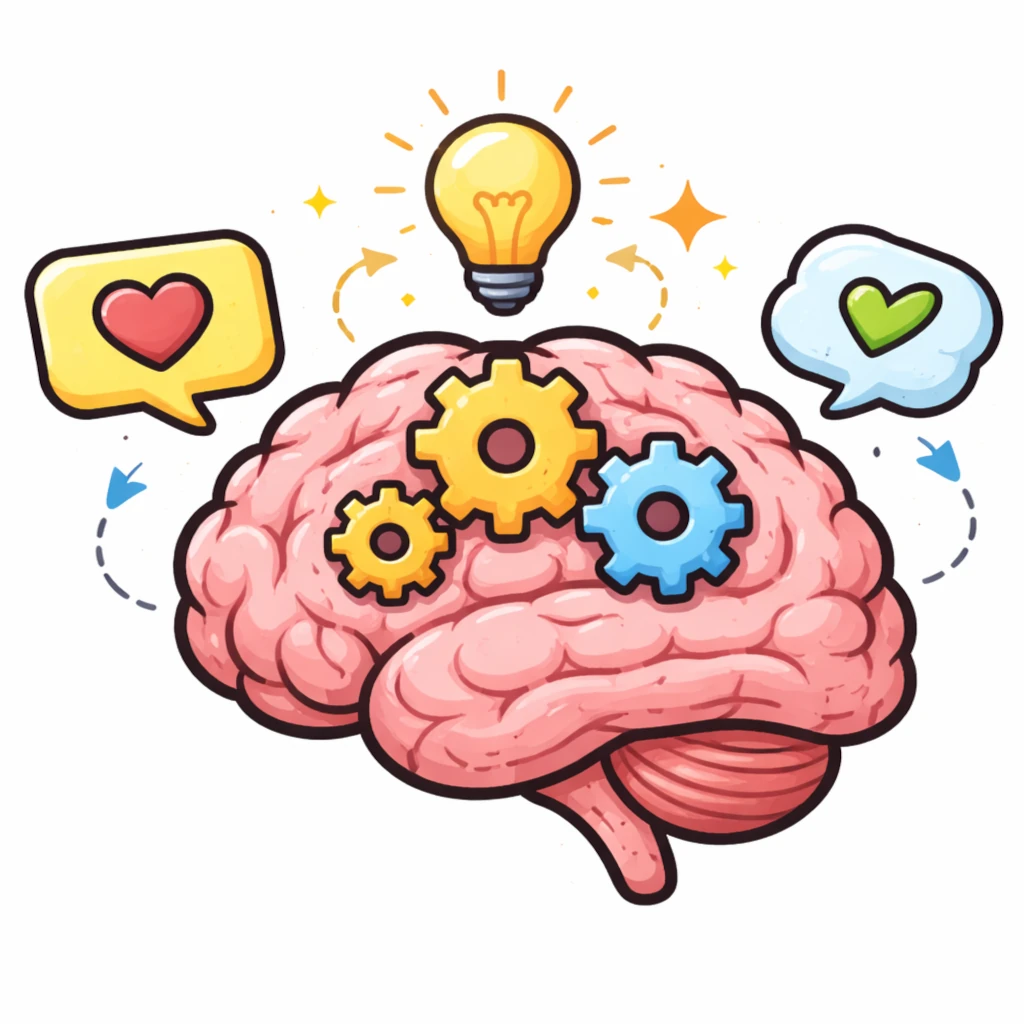
Mental activities: thoughts, memories, and beliefs.
So, what is a thought? 99.̄9̄ % of people are stumped with this question! Which is surprising as most of us give thinking the driver’s seat. Which is problematic because they are not always particularly good drivers! Sometimes thoughts are intelligent & wise, other times they are judgmental, critical or nonsensical.
At its most basic thinking is a firing of neurons through the cerebrum, primarily, the cerebral cortex. With a repetition of ‘firing’ these neurons form a pattern, resulting in thoughts, memories or beliefs. ‘Neurons that fire together, wire together (Hebbian Law).
Once these neurons are wired, they are insulated by a myelin sheath. This sheath enables them to travel faster with more efficiency. This process commits thoughts to memory, without this capacity we would have to learn the same thoughts repeatedly.
The downside to this is that these myelinated neurons create a sense of reality. So, if you were to hear ‘Mary had a little dog’ the neural response is– ‘surely it’s a lamb’. No, it’s only a nursery rhyme!, and does not need defending. However, thoughts like “I’m not good enough, unlovable or a fraud” are also myelinated neurons, probably learnt around the same time as Mary and her lamb. But because they are old and seem real, it does not make them real.
As, the brain is additive, not subtractive, what do we do with these ‘learnt’ unhelpful thoughts that we can’t get rid of, but get in the way of a meaningful life?
The Cognitive Behavior Therapeutic approach explores how to reframe thinking. It operates from the fundamental principle that thoughts, feelings and behaviours are interlinked, and by shifting one of the trio, the rest shift accordingly.
Acceptance and Commitment Therapy (ACT) operates from the position that thoughts are just thoughts, merely bits of language and images. Like the principles of Mindfulness, ACT explores how to change the relationship with thoughts, to diffuse from them.
The neuroscience perspective shares that with ACT and Mindfulness, that is, to “unleash to power of the left frontal cortex” – to become the observer, not the participant in ones thoughts. With this skill imparts the ability to choose which thoughts are to be entertained.

EIGHTH SENSE
Relationships, the sense of interconnectedness, the capacity to bond with others. There are several parts of the nervous system involved in this sense. These include the limbic pathways for bonding & pleasure, the autonomic pathways for regulation & safety and the cortical regions for discernment.
The ‘Synchronicity Hypothesis’ holds that dancing aligns neural oscillations between partners, enriching verbal and emotional communication and reducing stress. An added bonus - a dose of the ‘bonding, feel good’ hormone oxytocin.
Studies have also shown that Laughter stimulates social bonding, regulates emotion, and reduces stress. With doses of dopamine, endorphins and oxytocin along the way, Laughter Yoga is a great way to tickle the proverbial funny bones!
NINTH SENSE
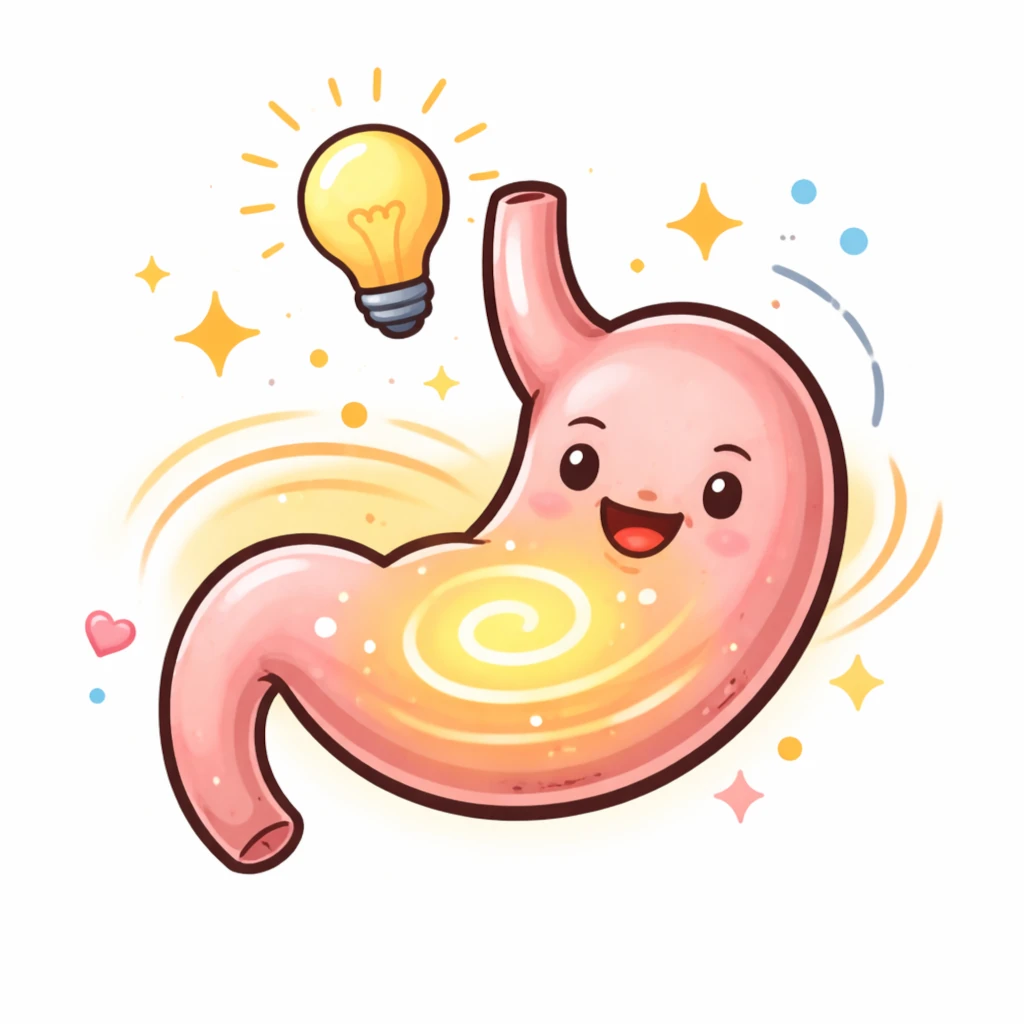
Intuition: ‘gut feeling’, a form of information that materialises in conscious awareness without evident consideration. It is the process of making a quick conclusion without the logical mind.
There is still debate whether intuition is the brain rapidly pattern making based on past visceral events or is generated literally from our second brain (the ‘gut’ feeling). Either way the pathways between brain and gut are evident when intuition abounds.
Pathways to ‘tapping’ into intuition include practising meditation and mindfulness, to quiet the mind and notice present moment internal sensations.
Free form journaling of random thoughts, dreams, and feelings can assist in finding patterns of insight.
Nine Senses are prepared to disclose that their journey tapping into intuition is still in its infancy, but is a journey being travelled.
Watch this space!
Nine Senses acknowledges the Jirrbal as the traditional custodians of the land & waterways from where these practices of reconnection are shared. Practices inspired by the holistic approach to connection & sustainability from the world’s oldest living culture.